


Chinese factory activity returns to growth in September amid AI boom

By
Reuters
Published
September 30, 2026
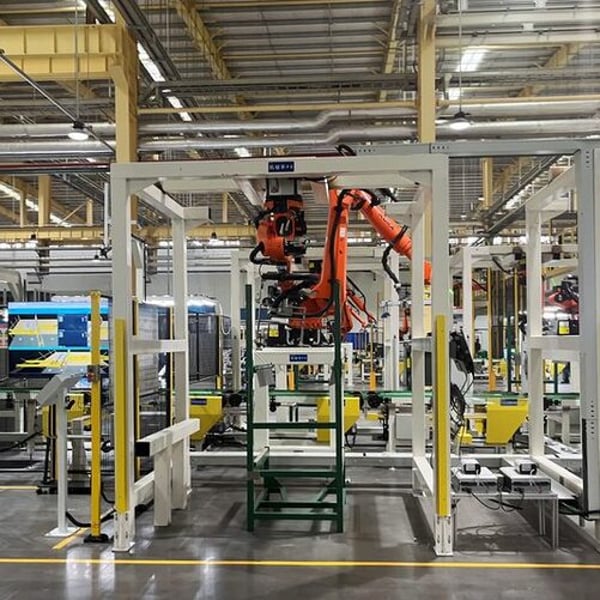
China’s factory activity returned to growth in September, an official survey showed on Wednesday, as easing weather disruptions allowed factories to resume operations and a global artificial intelligence boom supported the industrial sector.

The official manufacturing purchasing managers’ index (PMI) rose to 50.1 from 49.8 in August, ending two straight months of contraction, according to the National Bureau of Statistics. That matched the median forecast of 50.1 in a Reuters poll.
The 50-point mark separates expansion from contraction.
The sub-index for new orders was at 50.5 while the sub-index for production was at 51.7, the data showed.
The reading is broadly in line with a private survey by RatingDog, which showed manufacturing PMI at 52.1 in September.
A run of soft economic readings has heightened pressure on policymakers to roll out further support measures, as retail sales and investment remain weak.
China unveiled measures on Tuesday designed to steer cheaper credit into a range of sectors including infrastructure and technology, as well as expanding support for home buyers.
While these issues have featured in previous policy statements, a fresh round of support could help shore up the economy’s weakest areas, said Lynn Song, ING’s chief economist for Greater China.
The non-manufacturing PMI, which covers services and construction, came in at 50.2 in September, compared with August’s 49.0, according to the NBS.
China has relied heavily on exports and industrial production to support growth this year, as weak domestic demand and a prolonged property downturn have weighed on household and business confidence.
The country’s global trade surplus is on pace to top $1 trillion for a second straight year.
But geopolitical uncertainty and growing trade frictions pose risks to the export outlook, as Chinese goods ranging from high-end electronics to household products face greater scrutiny in overseas markets.
China and the United States on Monday said they will pursue tariff cuts on $60 billion worth of goods imported from each other, from US corn to cosmetics and Chinese toys to household appliances.
However there were some notable omissions on each side, including non-seed soybeans, the biggest US agricultural export to China.
© Thomson Reuters 2026 All rights reserved.