


Ebay bets on free authentication for high-end fashion

Published
October 5, 2026
To reassure consumers concerned about the risk of counterfeit goods, Ebay launched its physical inspection service for second-hand fashion items in France on October 1. This free service is designed to make transactions more secure and to encourage both sellers and buyers to use the US platform for luxury goods and high-end fashion.

Ebay took advantage of Paris Fashion Week to roll out this new service, taking over Galerie Joseph (in Paris’s 3rd arrondissement) to showcase rare pieces from major fashion houses that can be found on its platform. A 1970s Saint Laurent wool cape, a Chanel tweed skirt, Celine heels, a Birkin bag, pieces by Vivienne Westwood, Comme des Garçons, and Issey Miyake… These finds are all intended to demonstrate that, in a market dominated by Vinted and Vestiaire Collective, the Ebay marketplace is a force to be reckoned with.
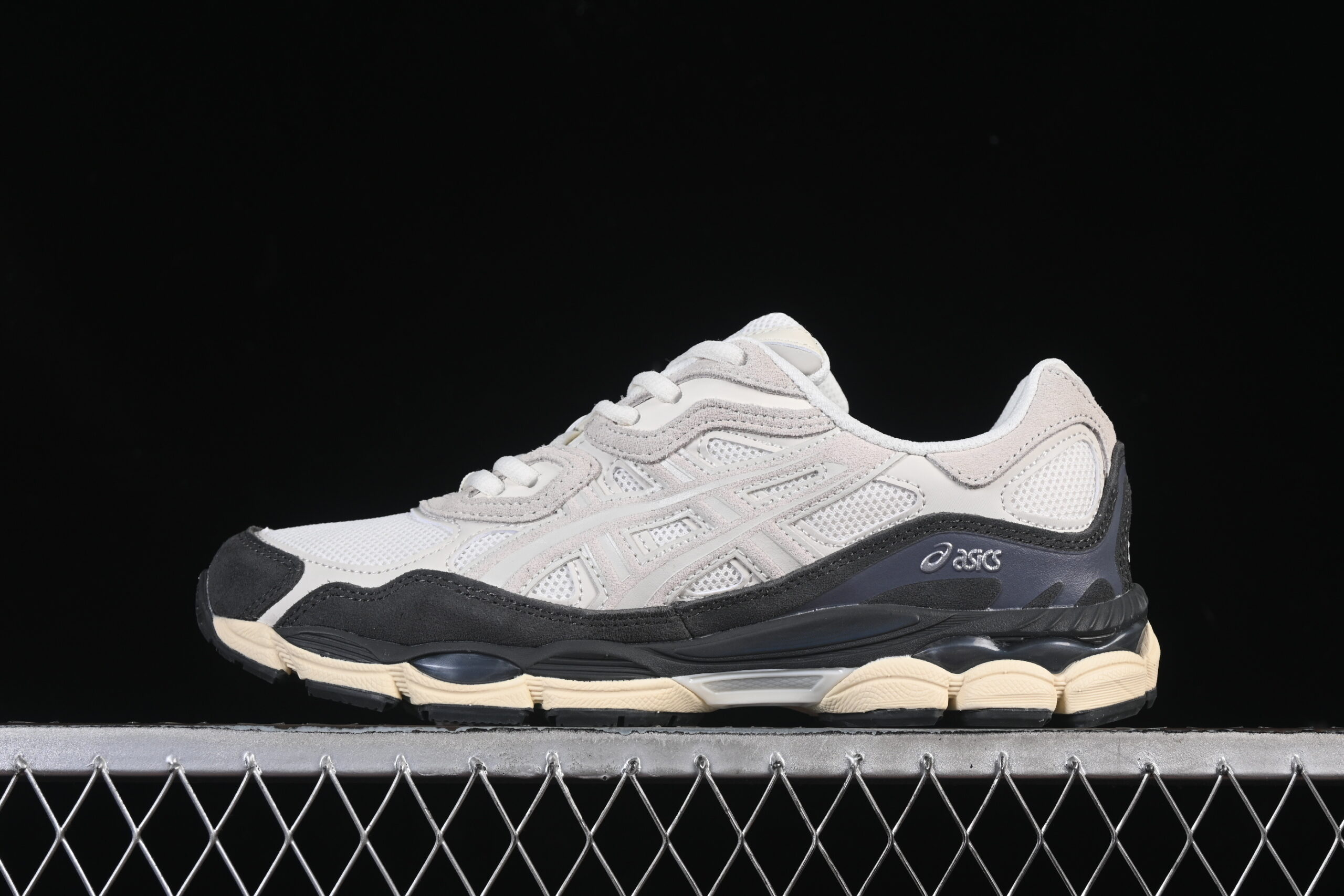
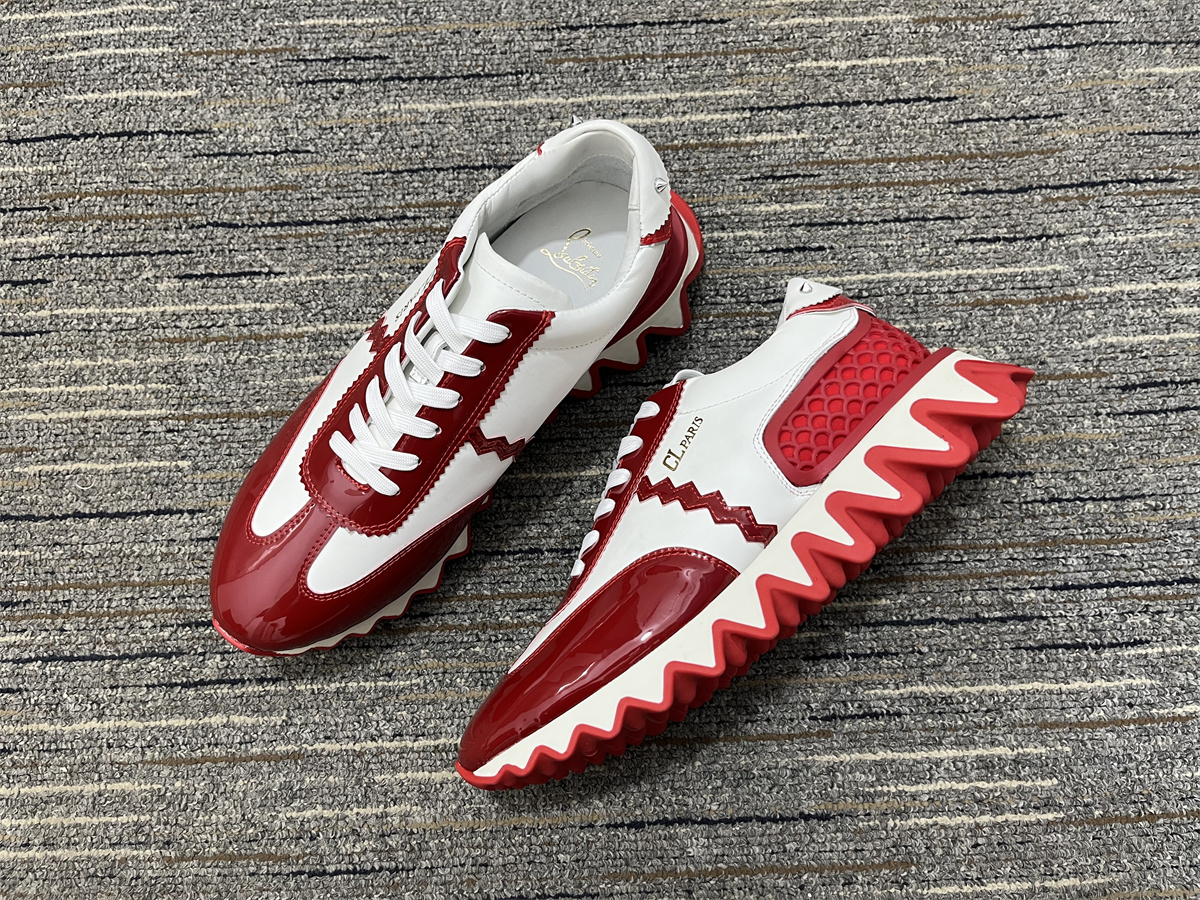
It is against this backdrop that the free authenticity verification service has been introduced. Items covered include leather goods, clothing, shoes, and trainers valued at over 200 euros. Watches are also eligible for this service for transactions exceeding 1,500 euros, excluding connected or customised models. Crucially, the service is triggered automatically once these thresholds are exceeded, without affecting the price or the commission.
If the assessment refutes the item’s authenticity or identifies a discrepancy with the listing, the transaction is cancelled and the product is not dispatched to the buyer. The returns process also incorporates a similar procedure to protect sellers against fraud: the returned item undergoes a further examination to confirm that it is the piece originally authenticated and that its condition has not been altered in any way.
Tested in the US, UK, German, Canadian, and Australian markets, this process is said to have already led to the verification of nearly 20 million products worldwide. If an item is found to be in poorer condition than described, this is flagged to the buyer where the listing has glossed over such defects.

“The second-hand fashion market has entered a new phase of maturity,” notes Sarah Tayeb, managing director of Ebay in France, who believes the new system responds to a growing imperative. “Consumers are no longer just looking for choice or price, but also for trust, and our ambition is to make Ebay the go-to destination for buying and selling with complete peace of mind.”
Fakes that look ever more real
As one of around twenty specialists working in the London verification office, Benjamin Nkossi highlights the multitude of checks now required in the face of increasingly sophisticated counterfeiting. “There may be no difference to the naked eye,” he tells FashionNetwork.com. “But it becomes clear when you feel, for example, the embossing on a brand label, the engravings on buttons, or the material of a care label – which is very important, as it changes over the years and with different creative directors, creating inconsistencies in counterfeits.”
Buying second-hand clothes and accessories is becoming firmly established as a shopping habit, with 56% of French consumers having already used this online purchasing channel. The Institut Français de la Mode recently estimated that online second-hand fashion now accounts for 12% of clothing sales in France.
However, an Ifop survey commissioned by the platform indicates that the fear of scams is a major deterrent for 40% of French consumers, a proportion that rises to 49% among those who have never bought second-hand items online. Fear of counterfeit goods, meanwhile, represents a major obstacle for 30% of those surveyed.
The launch of this free verification service comes a few weeks after Ebay France announced the end of selling fees for peer-to-peer transactions. Here again, the strategy is to leverage free services to scale up its offering and stand out from the competition.
Copyright © 2026 FashionNetwork.com All rights reserved.